


Introduction
Logistics is rapidly evolving, influenced by new technologies, sustainability mandates, and global shifts in supply and demand. Staying ahead requires adaptability and a willingness to embrace new practices. Here are some of the leading trends reshaping the industry in 2025.
Top Trends in Modern Logistics
- Automation and Artificial Intelligence
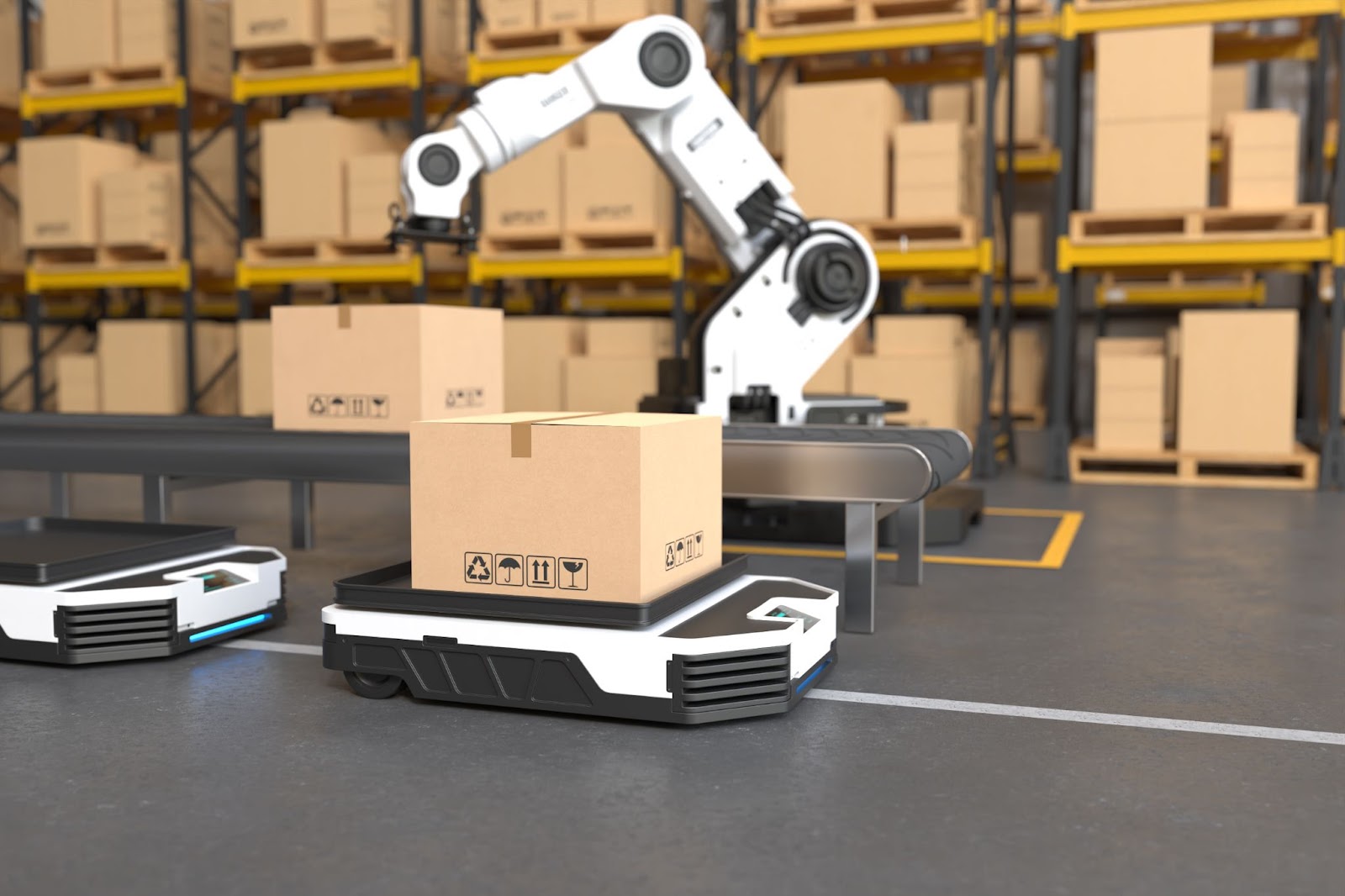
Automation, including robotics in warehousing and AI-driven transport planning, is driving efficiency and reducing human error. These technologies speed up operations, lower costs, and enhance precision throughout the logistics chain. AI is also used for better demand forecasting, route optimization, and smarter inventory management. - Real-Time Visibility and Tracking
Clients and logistics providers increasingly rely on real-time data to monitor shipments, identify bottlenecks, and optimize performance. Advanced tracking systems offer live updates and improved transparency, creating confidence and minimizing delays for customers. - Sustainability and Green Logistics
Environmental responsibility is a top priority for the logistics sector. Companies are investing in electric vehicles, eco-friendly packaging, energy-efficient facilities, and optimized processes to reduce their carbon footprint. New regulations and public expectations are making green logistics a must rather than an option. - Supply Chain Agility and Diversification
The global landscape is constantly changing due to geopolitical, economic, or environmental factors. Successful logistics providers develop resilient, flexible supply chains that can adapt quickly to disruptions, source from multiple suppliers, and explore diverse transport routes to maintain service integrity. - Digital Integration and Advanced Analytics
Powerful software solutions, API-based integrations, and advanced analytics enable seamless communication across supply chain partners. These digital tools help manage risks, cut costs, and create scalable, future-proof logistics operations.
Why These Trends Matter
Adapting to these trends means:
- Faster delivery times and fewer errors.
- Lower environmental impact and increased regulatory compliance.
- More reliable supply chains amid global uncertainties.
- Increased transparency for both businesses and consumers.
Conclusion
The logistics industry in 2025 is dynamic, tech-driven, and sustainability-focused. Companies that leverage automation, prioritize visibility, and commit to green practices are poised to lead and deliver superior value in a complex marketplace.